Sarojini Nagar Market Delhi: Complete Shopping Guide (Prices, Tips & Timings)
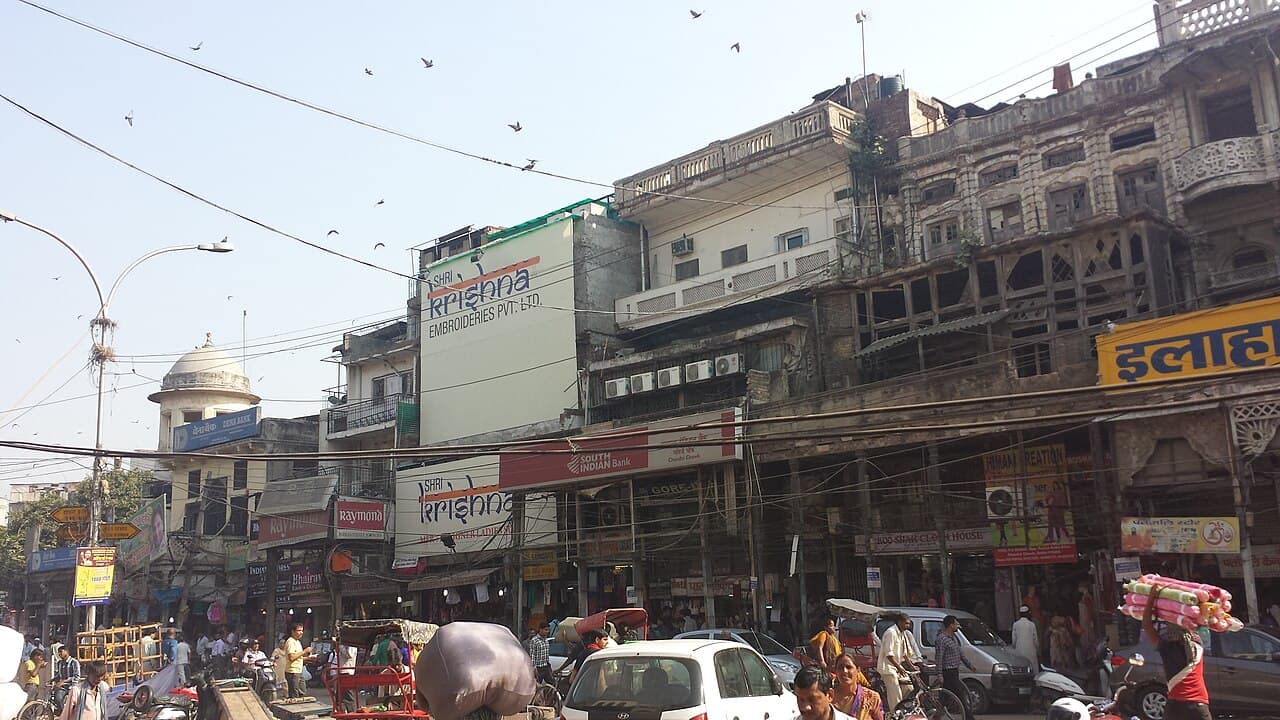
Export surplus fashion at Rs 150–800, the best bargaining lanes, and the chaat you must eat before leaving — the only Sarojini Nagar guide you will need in 2026.
Every city has a market where the fashion economy runs on different logic from the rest of the retail world, and Delhi's version is Sarojini Nagar. The backstory is specific and important: this market is built on export surplus — garments manufactured in India's export-oriented factories for international fast-fashion brands, diverted here when they fail quality control (minor defects, overproduction, cancelled orders, end-of-season surplus). The tags say H&M, Zara, Next, Primark, Topshop, M&S. The prices say Rs 150–800. The crowds say this deal has been discovered. Come anyway — knowing how it works is 80% of shopping successfully here. Sarojini mein aaye nahi toh dilli dekhi nahi.
Timings
- Open: Tuesday–Sunday, 10 AM – 8 PM
- Closed: Monday (all shops)
- Best time to visit: Tuesday, Wednesday, or Thursday mornings, 10–11:30 AM — new stock arrives Tuesday/Wednesday, crowds are lightest on weekday mornings
- Worst time: Saturday afternoon 12–5 PM — crowd levels make shopping ineffective and the experience unpleasant
What's Here: Category by Category
Women's Western Wear (Block A and Inner Lanes)
The primary draw for most shoppers. Block A (the first section as you enter from the Sarojini Nagar Metro side) is dense with women's western wear: dresses (Rs 250–600), tops and blouses (Rs 150–400), jeans (Rs 300–700), formal and semi-formal separates (Rs 200–500). The quality varies — some pieces have detachable tags from identifiable international brands, others have no branding at all but are identically cut and constructed. The key skill is fabric evaluation: hold the garment to light, assess weight and weave, check seam finishing before you negotiate price.
The inner lanes (behind Block A, running east) have the best bargains — smaller stalls, less foot traffic, and vendors who are more willing to deal because they are not in the premium-footfall zone. The branded export surplus concentrates here: properly tagged H&M, Zara, and M&S pieces at Rs 200–600. Spend 15 minutes walking the inner lanes before buying anything from Block A frontages.
Shoes (Rs 200–600)
Scattered throughout the market but concentrated near the central spine. The shoe quality at Sarojini ranges from perfectly good to disposable — the test is to flex the sole, check the stitching around the upper, and look at the heel attachment. Sandals and flats in the Rs 200–350 range are frequently excellent. Formal shoes and boots at Rs 400–600 are sometimes export surplus from legitimate footwear factories and sometimes assembled for the market — the difference is in the construction details. Good rule: buy sandals here; buy formal footwear from a known brand retailer.
Bags and Accessories (Rs 50–500)
Canvas tote bags (Rs 80–200), leather-look handbags (Rs 200–500), belts (Rs 80–200), sunglasses (Rs 50–200), and the miscellaneous accessory culture of the Indian fast-fashion market. The tote bags in particular are reliably good value — the export surplus canvas ones with branded patches are identical to what sells for Rs 800–1,200 in Select Citywalk. The bags are less reliable — the "leather" is uniformly synthetic at this price point and the hardware varies from functional to theatrical. The accessories section near the northern auto stand has the best selection.
Men's Wear
Less prominent than women's wear but present throughout — polo shirts (Rs 200–400), cargo shorts (Rs 250–500), formal shirts (Rs 200–450), and the perpetual presence of branded sports-adjacent wear. The men's corner of the market is less crowded than the women's sections, which makes it a more pleasant shopping experience. T-shirts in the Rs 150–300 range are the strongest value proposition: export surplus cotton tees, often with minimal branding, in weights that are superior to most fast-fashion alternatives at the same price.
Children's Wear
A significant volume of export surplus here is children's clothing — this is where the branded European children's wear (Next, H&M Kids, Mothercare surplus) surfaces in quantity. Rs 100–350 for well-made children's garments is extraordinary value. The stalls on the south side of the market (near the parking area) specialise in children's wear.
Bargaining Rules for Sarojini
- The starting rule: Quote back at 50% of the asking price for unbranded items; 60–65% for identifiably branded export surplus (the vendor knows the brand value).
- The walk-away technique: The single most effective tool. State your final price, say "okay, no problem," and physically start to move away. For approximately 60–70% of transactions, the vendor calls you back at or near your price within ten seconds. Do not be theatrical about it; just move.
- Bulk discount logic: Buying three or more items from the same stall unlocks a different price tier. The vendor's minimum-effort transaction cost per piece decreases with volume, and the discount is real — typically 10–20% below single-piece price when buying 3+.
- Cash is king: All Sarojini vendors prefer cash. UPI works at most stalls but some add 2–3% to the price for digital payment. Having Rs 200–500 in small notes gives you precision when making final offers.
- Do not negotiate for theatrics: Sarojini vendors have seen every bargaining performance in the repertoire. Respect the floor — if a Rs 200 shirt is available nowhere below Rs 180 after a genuine attempt, the floor is Rs 180. Move on.
What to Avoid Buying at Sarojini
- Electronics: Phone chargers, earphones, cables — all unreliable, often counterfeit, and potentially damaging to actual devices. Any electronic sold here is effectively disposable.
- Perfumes and cosmetics: The perfume stalls selling branded fragrances at Rs 200–500 are selling fakes or dilutions. Not worth the skin-contact risk. Buy perfume from a pharmacy or a legitimate retail outlet.
- "Designer" handbags: The replica luxury bags (Gucci, Louis Vuitton, etc.) are obvious fakes. Anyone who can tell the difference will identify them immediately; the hardware tarnishes within weeks. Not worth the price even at Rs 500.
- Formal suits or structured blazers: The construction quality of tailored items here does not hold to professional wear standards. For formal suiting, go to Saville Row-adjacent tailors in Connaught Place or South Ex.
Food Inside the Market
Sarojini's food ecosystem is as legitimate as the clothes. Do not leave without eating.
- Chaat stalls (inside market): Rs 30–80. The gol gappe (pani puri) stalls inside the market lanes are excellent — proper imli water, crunchy shells, and the masala aloo filling that Sarojini's version has been perfecting for decades. The aloo tikki chaat (Rs 50–60) with the tamarind, green chutney, and dahi combination is standard Delhi excellence.
- Bhel puri and dahi bhalle: Rs 40–70. Multiple stalls throughout; the ones inside the lane network (not the market perimeter) tend to be busier with local regulars and therefore fresher.
- Chole kulche: Rs 60–80. The lunch staple — two kulche (thick flatbread) with a bowl of spiced white chickpea curry. At least three dedicated stalls near the south entrance serve this through the day.
- Chai: Rs 10–20. Standard roadside style, functional and necessary. Drink it after the shopping; the glucose makes the return walk to the Metro more agreeable.
Getting There
- Nearest Metro: Sarojini Nagar (Pink Line) — Exit 1, then 100m walk to the market entrance. The Pink Line connects directly to Rajiv Chowk (Connaught Place) and Lajpat Nagar.
- From South Delhi: The market is centrally located in South Delhi — a Rs 80–150 auto from Defence Colony, Vasant Vihar, or South Extension.
- By Metro from North Delhi: Take Yellow Line to Rajiv Chowk → transfer to Pink Line → Sarojini Nagar station. Journey time from Chandni Chowk: approximately 45 minutes.
- Parking: A paid parking lot operates on the south side of the market (Rs 20–30/hour). Weekday parking is easy; weekend parking fills by 11 AM. Take the Metro on weekends without question.
Combine With
- Lodi Garden (15 min auto, Rs 80–100) — the perfect antidote to market overstimulation. Cool down among 15th-century monuments.
- INA Market (2 km north) — Delhi's best food import and organic produce market. One Metro stop on the Yellow Line from INA station.
- South Extension Part 1 and 2 (15 min auto) — for legitimate branded retail if Sarojini bargaining leaves you wanting air-conditioning and fixed prices.
The experience of Sarojini Nagar is not about any single purchase — it is about the cumulative discovery of a market that runs on entirely different economic rules than the rest of retail Delhi. You will overpay on your first few transactions. You will find something extraordinary on your sixth. By the end of a two-hour session you will understand the market's internal logic and leave having spent Rs 1,500–2,000 on clothing that would cost Rs 8,000–12,000 in a mall across town. That is the deal, and it is genuine. Sarojini ek baar samajh lo — phir khabhi normal prices pe kapda nahi khareedoge.
Story
Travel
Reading time
7 min
Legacy editorial
First published 18 March 2026
Verify changing facts and prices independently.
More scenes from the destination
General destination planning
Check current details before you go
These official links are general planning resources, not evidence for this article. Opening hours, fares, prices, access rules and businesses can change, so confirm details independently for your dates.