Lodi Garden Delhi: Timings, Entry Fee, Monuments & Photography Guide
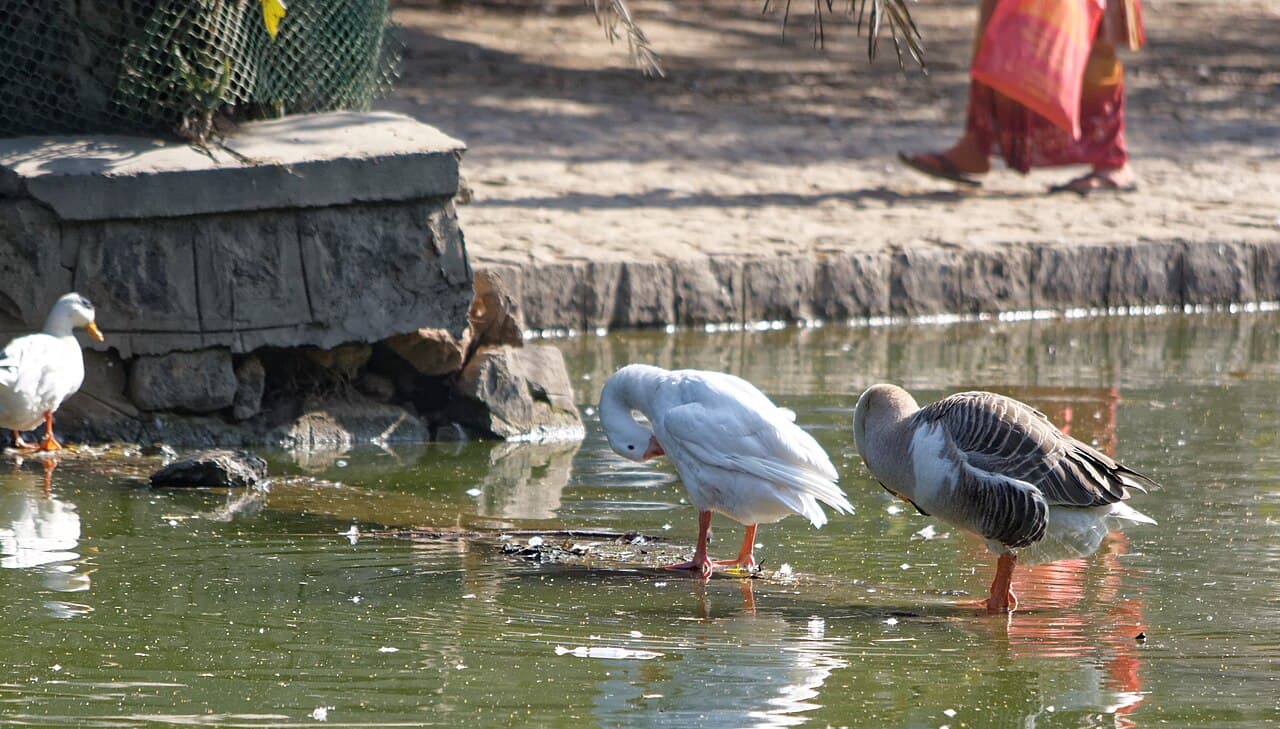
Free entry, 90 acres of green, and four medieval monuments in one park — Lodi Garden is Delhi's most beautiful outdoor space. Here is everything you need to know to make the most of your visit.
There are parks, and then there is Lodi Garden. Ninety acres of curated green in the heart of South Delhi, containing four medieval monuments from the 15th and 16th centuries, manicured walkways, heritage trees, resident peacocks, and the full cross-section of the capital's daily life: morning joggers, meditating office workers, history students photographing tilework, and dogs being walked by people who live in the surrounding colonies and consider this park their personal inheritance. Entry is completely free. No ticket counter, no queues, no fee for the monuments within. In a city where every historical site seems to require a wallet consultation, Lodi Garden is an anomaly and a gift. Dilli ki sabse khoobsurat gift — aur muft hai.
Timings and Entry
- October–March (winter): 6 AM – 8 PM
- April–September (summer/monsoon): 5 AM – 8 PM
- Entry fee: Free for all visitors, all year round
- Open: Every day of the week, including public holidays
- No entry for vehicles inside the garden — park on Lodhi Road or Safdarjung Road and enter on foot.
The Four Monuments
1. Bara Gumbad (1494)
The largest and most visually dramatic structure in the garden — a massive square gateway tomb built in 1494 during the Lodi dynasty. Bara Gumbad means "Large Dome" in Hindi-Persian, and the name is straightforwardly accurate: the dome's diameter is among the largest of any pre-Mughal structure in Delhi. The exterior facade is covered in geometric tilework in blue, turquoise, and buff stone — in extraordinary condition for a 530-year-old structure. Adjacent to the Bara Gumbad is a three-aisled mosque and a mehman khana (guesthouse) that together form a cohesive architectural ensemble that was clearly designed to impress.
Photography tip: Approach from the southeast in morning light (7–9 AM) — the low sun catches the tilework and the dome casts a dramatic shadow. The best single-monument photograph in the entire garden is the Bara Gumbad dome from the path leading to it from the Lodhi Road gate, with the bougainvillea in the foreground in October–November.
2. Shish Gumbad (1489)
Slightly smaller than its neighbour, the Shish Gumbad (Glazed Dome) predates Bara Gumbad by five years and is named for the blue-glazed tile that originally covered much of its exterior. The glazed tile has largely disappeared — what remains are traces of the original blue integrated into the sandstone banding. The octagonal turrets at each corner are architecturally distinctive and photograph well from almost any angle. The interior contains unidentified graves; the tomb is officially attributed to an unknown Lodi nobleman.
The Shish Gumbad sits on a raised platform that makes it slightly more dramatic in the landscape than its ground-level plan suggests. The view from the raised plinth, looking southwest toward the Bara Gumbad across the garden lawn, is one of the best compositions in the park.
3. Muhammad Shah's Tomb (Sayyid Dynasty, c.1444)
The oldest major monument in the garden belongs not to the Lodis but to the preceding Sayyid dynasty — the tomb of Muhammad Shah, the third Sayyid sultan, built around 1444. The structure represents the transitional moment between the early Delhi Sultanate tomb type (simple square base) and the fully developed octagonal garden tomb that the Mughals would later perfect. The octagonal plan, the double-tiered elevation, and the chattri pavilions at each corner are all here in prototype form.
Muhammad Shah's tomb is less visited than the Lodi monuments — most joggers use the path around it without stopping. This makes it the quietest and most contemplative spot in the garden. Go early on a weekday for genuine solitude in a 580-year-old building.
4. Sikander Lodi's Tomb (c.1517)
Sikander Lodi was the second sultan of the Lodi dynasty and the ruler who first fortified the area around Delhi that would later become Agra's rival — he is credited with the early development of the city of Agra. His tomb, built by his son Ibrahim Lodi around 1517, is the largest and most architecturally sophisticated of the four monuments, set in a walled enclosure within the garden that adds an additional layer of spatial drama. The double dome — an outer dome giving visual scale and an inner dome providing acoustic warmth — is one of the earliest examples of this structural innovation in Delhi, and it directly anticipates the Mughal double domes at Humayun's Tomb and beyond.
The enclosure garden around the tomb is separately managed and represents the cleanest, best-maintained corner of Lodi Garden. The bougainvillea that climbs the enclosure walls in October–March makes this the most photogenic corner of the entire park during peak season.
Best Time to Visit
- Early morning (6–8 AM): The garden is at its best — soft light, relatively cool, birdsong from the heritage trees. The morning walker community creates an atmosphere that is quintessentially Delhi without being crowded.
- October–February: Peak season for the garden. Clear skies, comfortable temperatures (8–22°C), and the garden is in full social use. Weekend mornings have a farmers-market-meets-public-park atmosphere that is genuinely enjoyable.
- Monsoon (July–August): The garden turns extraordinary — electric green grass, dark wet stone on the monuments, dramatically clouded skies. The humidity is intense but the visual rewards are significant. Best for serious photographers willing to manage an umbrella.
- May–June (summer): Temperatures reach 42–46°C. Visit only before 7:30 AM or after 6 PM. The monuments look beautiful in the low evening light; the peacocks are more active in the hour before sunset.
Photography Guide
- Golden hour on Bara Gumbad: Arrive 30 minutes after sunrise, stand on the path approaching from the Lodhi Road gate (southeast approach), and shoot into the light. The geometric tilework on the facade glows.
- Monsoon compositions: July–August greens are extraordinary. The contrast between the deep green grass and the pale sandstone of the monuments is most extreme immediately after rain. The reflections in puddles on the monument plinth after monsoon rain are brief but excellent.
- Birds: The garden has registered 80+ bird species. Common sightings: Indian roller, rose-ringed parakeet, spotted owlet, common kingfisher near the water tank, Asian koel. The magnolia trees near the central path attract nectarivores in February–March.
- No restriction on photography for personal use — no tripod fees, no guide requirements, no zones requiring permits. This is unusually visitor-friendly by Delhi monument standards.
- Drones are prohibited throughout the garden under ASI regulations.
Getting There
- Nearest Metro: JLN Stadium (Violet Line, exit 2) — approximately 800m walk along Lodhi Road. A pleasant 10-minute walk past the sports complex.
- Alternative Metro: Khan Market (Violet Line) — 900m walk from the garden's north entrance on Lodhi Road.
- Auto-rickshaw: Rs 50–80 from Khan Market Metro to the garden gates.
- Parking: Limited street parking on Lodhi Road; arrive before 8 AM on weekends for a spot. The parking inside is for authorized vehicles only.
Combine With: A Half-Day Itinerary
- 7 AM: Enter Lodi Garden from Lodhi Road gate. Walk the full loop (2.5 km) covering all four monuments. 90 minutes.
- 9 AM: Exit the Lodhi Road gate and walk 500m to Khan Market for breakfast. Blue Tokai Coffee (Khan Market branch) opens at 9 AM; Amici Cafe for eggs and toast.
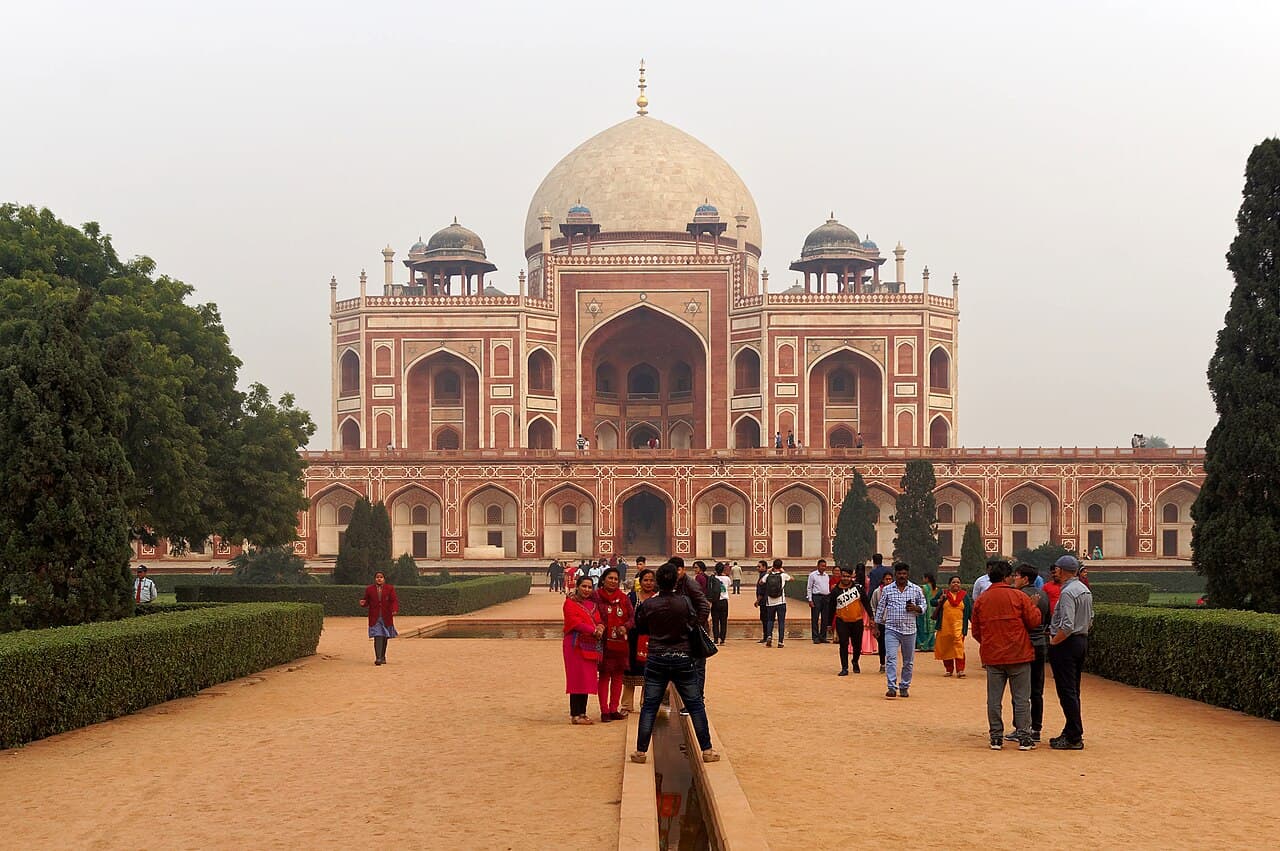
- 11 AM: Walk or take a Rs 60 auto to Humayun's Tomb (3 km from the garden). The garden layout of Humayun's Tomb directly influenced the Taj Mahal; coming here after the Lodi monuments creates the perfect architectural chronology of Indo-Islamic funerary design. Entry: Rs 40 Indians / Rs 600 foreigners.
- 1 PM: Return to Khan Market or take an auto to Lodhi Colony (15 min) for lunch at Lavaash by Saby or Soda Bottle Openerwala.
Lodi Garden is not a tourist attraction in the way that Qutub Minar or Humayun's Tomb are tourist attractions. It is a living park that happens to contain some of the finest 15th-century architecture in Asia. The Delhiites who use it daily — the 6 AM crowd with their Labradors, the yoga group on the central lawn, the couple on the bench with a book — are not performing their city for visitors. They are simply living in it. Be a participant, not an observer, and the garden gives more back than any guided tour could. Yeh garden sirf dekhne ki jagah nahi — mehsoos karne ki jagah hai.
Story
Culture
Reading time
6 min
Legacy editorial
First published 16 March 2026
Verify changing facts and prices independently.
More scenes from the destination
General destination planning
Check current details before you go
These official links are general planning resources, not evidence for this article. Opening hours, fares, prices, access rules and businesses can change, so confirm details independently for your dates.