Monsoon in Delhi: What to Do When the Rains Finally Arrive
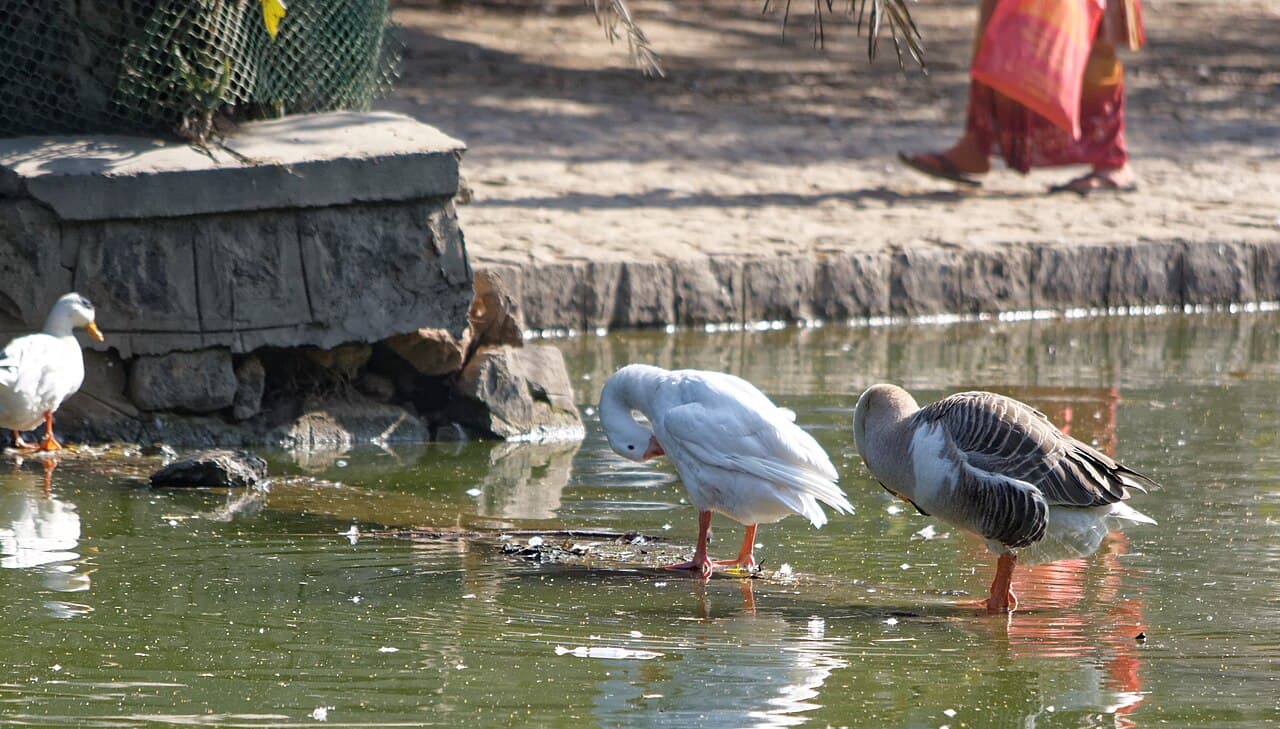
When the first Kalboishakhi storm rolls in and the temperature drops from 45°C to 28°C overnight, Delhi transforms. Here is how to make the most of the city's most dramatic season.
Delhi's monsoon is not a gentle English drizzle. When it arrives — usually in late June or early July, riding the Bay of Bengal branch of the southwest monsoon — it arrives with intent. The sky turns the color of old pewter, the temperature collapses by fifteen degrees in an hour, the smell of petrichor rises from the baked earth, and every Delhiite who has survived another brutal May and June steps outside and breathes for what feels like the first time in months. Baarish aa gayi yaar. It is an event.
The single best thing to do in the first heavy rain of the season is to go to Lodhi Garden. The 90-acre park — home to 15th-century tombs, centuries-old trees, and Delhi's most glamorous dog-walkers — becomes extraordinary in the monsoon. The grass turns electric green overnight. The stone domes of Muhammad Shah's Tomb and Sikandar Lodi's Tomb go dark with moisture and take on a gravitas that the dry season photographs never capture. Bring a samosa from the nearby Bengali Market and eat it on a wet bench. This is peak Delhi.
Monsoon is also the best time for street food therapy. There is a reason every Indian film that wants to convey romance or nostalgia sets a scene in the rain outside a chai stall. The logic is sound: hot masala chai from a roadside dhaba, drunk from a kulhad while rain hammers the tin roof, is genuinely one of the best sensory experiences available in this city. Pair it with bhutte ka kees or corn on the cob roasted over coal — the vendors appear the moment the monsoon does, as if they, too, were waiting underground since April.
For a more curated experience, India Habitat Centre and India International Centre in the Lodhi Road area run excellent monsoon cultural programs — classical music evenings, poetry readings, photography exhibitions, documentary screenings. These are the cultural institutions where Delhi's intellectual establishment gathers, and their monsoon calendars lean into the season deliberately. A late-evening raag yaman concert at IIC, rain against the windows, is the kind of thing you describe to people for years afterward.
The practical caveat: Delhi's drainage infrastructure is not equal to its ambitions. After a heavy shower, underpasses flood (especially Minto Bridge and Pul Prahladpur), traffic seizes, and the Ring Road becomes a test of will. The DMRC runs normally through rain — always the most reliable option. Keep waterproof sandals rather than closed shoes; the waterlogging is ankle-deep on bad days. And carry a light raincoat rather than an umbrella, because Delhi's monsoon winds are not interested in your umbrella's structural integrity.
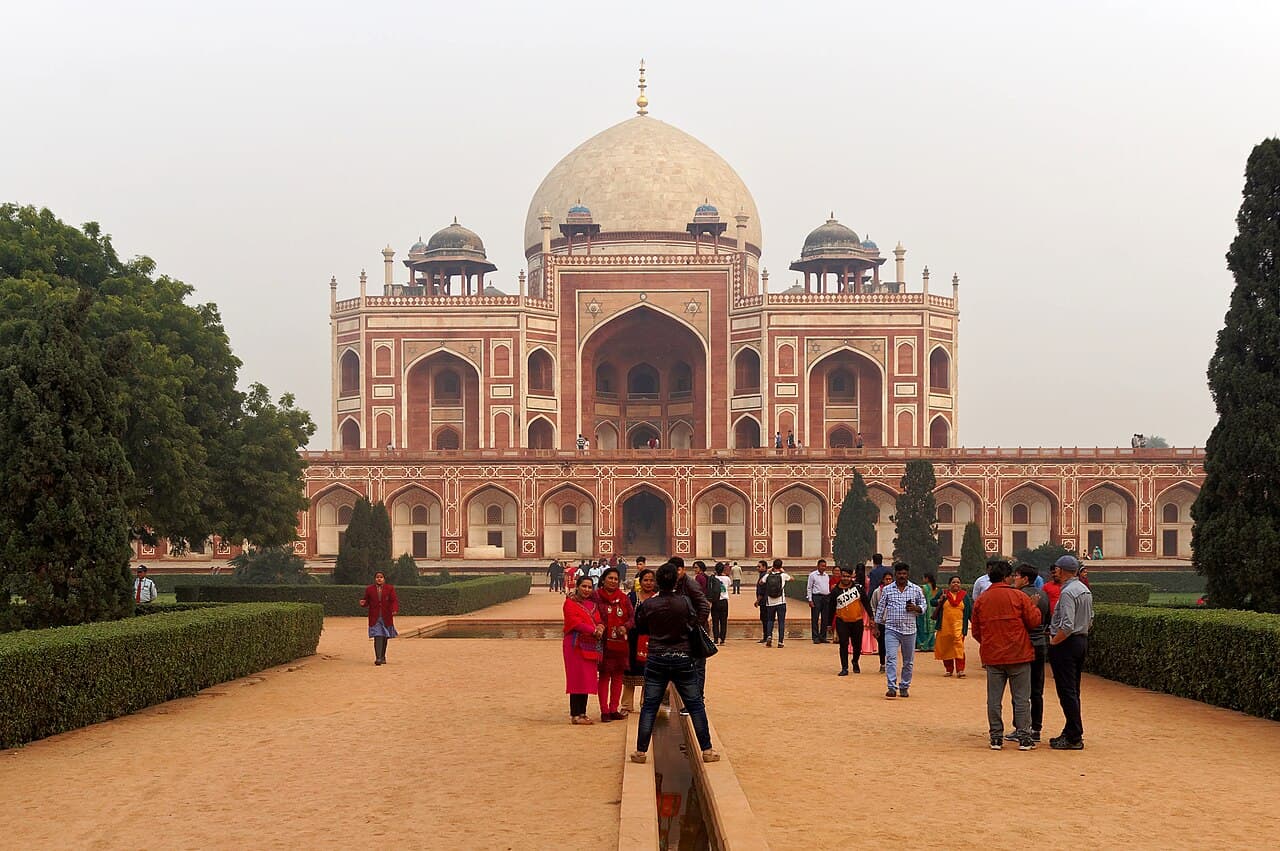
But do not let logistics dissuade you. The monsoon Delhi that most tourists miss — the post-rain golden hour over Humayun's Tomb, the flooded reflection pools around Sunder Nursery, the way the Ridge forest smells of wet earth and eucalyptus — is among the most beautiful things this city offers. Jo baarish mein Delhi dekhe, woh asli Delhi dekhe.
Story
Lifestyle
Reading time
5 min
Legacy editorial
First published 2 December 2025
Verify changing facts and prices independently.
More scenes from the destination
General destination planning
Check current details before you go
These official links are general planning resources, not evidence for this article. Opening hours, fares, prices, access rules and businesses can change, so confirm details independently for your dates.