Delhi Metro Survival Guide: How to Navigate the Capital Like a Pro
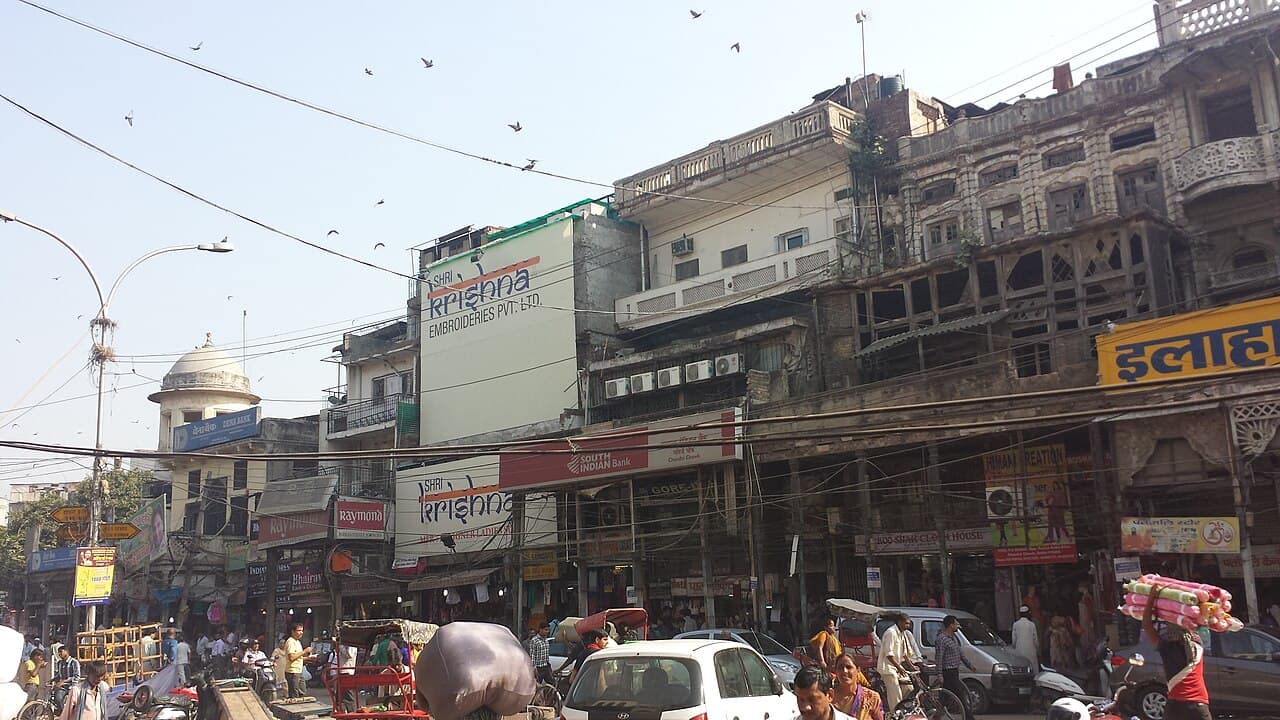
391 stations, 9 lines, and 6 million daily riders — the Delhi Metro is the city's greatest equalizer. Here is everything you need to know to ride it without breaking a sweat.
The Delhi Metro opened its first line in 2002 and promptly changed the city forever. Before it, crossing Delhi meant surrendering two hours of your life to gridlock, auto-rickshaw negotiations, and the particular existential despair of being stuck at Connaught Place at 6 PM on a weekday. Today, DMRC runs 391 stations across 9 color-coded lines, covering roughly 393 km. It is, without hyperbole, one of the finest urban transit systems in the world — and most tourists still find it intimidating. It should not be.
The first rule: download the Delhi Metro Rail Corporation app before you leave your hotel. It has a real-time route planner, fare calculator, and last-train schedules. Alternatively, Google Maps integrates DMRC data beautifully — just type in your destination and tap "transit." The app also sells QR-code tickets now, which means you can skip token queues entirely. Smart city, smart moves.
The Yellow Line (Line 2) is the spine of Delhi tourism. It runs from Samaypur Badli in the north all the way to HUDA City Centre in Gurugram, passing through Kashmere Gate, Chandni Chowk, New Delhi, Rajiv Chowk (Connaught Place), and AIIMS. If you are hitting Old Delhi in the morning and South Delhi in the evening, this single line covers most of your day. Rajiv Chowk is the central interchange — think of it as Delhi's Times Square underground. Peak hours (8–10 AM, 5–8 PM) are genuinely intense; stand clear of the closing doors and guard your pockets.
A few things first-timers get wrong: The women-only coach is always the first coach at the front of every train. Men who board it will be firmly redirected by fellow passengers — a refreshingly no-nonsense social contract. Security screening at every station is mandatory; it adds 90 seconds so budget for it. Eating and drinking inside the metro is banned and enforced with a Rs. 200 fine — this is why the stations are so clean compared to every other public space in Delhi.
For tourists, the Tourist Smart Card (Rs. 200 deposit, available at Airport stations and major interchanges) gives you unlimited rides for one, three, or five days. It pays for itself after four or five trips. The Airport Express Line (Orange Line) connects New Delhi railway station to IGI Terminal 3 in just 21 minutes — Rs. 60 one way, air-conditioned, Wi-Fi enabled. It is one of the great bargains in Indian travel. Seedha airport, sidha home.
The Metro also unlocks neighborhoods most tourists never find. Lodi Colony (JLN Stadium station on Violet Line) has Delhi's best cafe strip. Hauz Khas Village (Green Line, IIT station, then auto) is rooftop-bar central. Dilli Haat (INA station, Yellow Line) is a government-curated crafts market that is genuinely excellent, unlike most "curated" things. The Metro is not just transport — it is the key to the real city. Use it accordingly.
Story
Travel
Reading time
6 min
Legacy editorial
First published 18 November 2025
Verify changing facts and prices independently.
More scenes from the destination
General destination planning
Check current details before you go
These official links are general planning resources, not evidence for this article. Opening hours, fares, prices, access rules and businesses can change, so confirm details independently for your dates.