Delhi Heritage Walk: The Ancient Secrets of Mehrauli
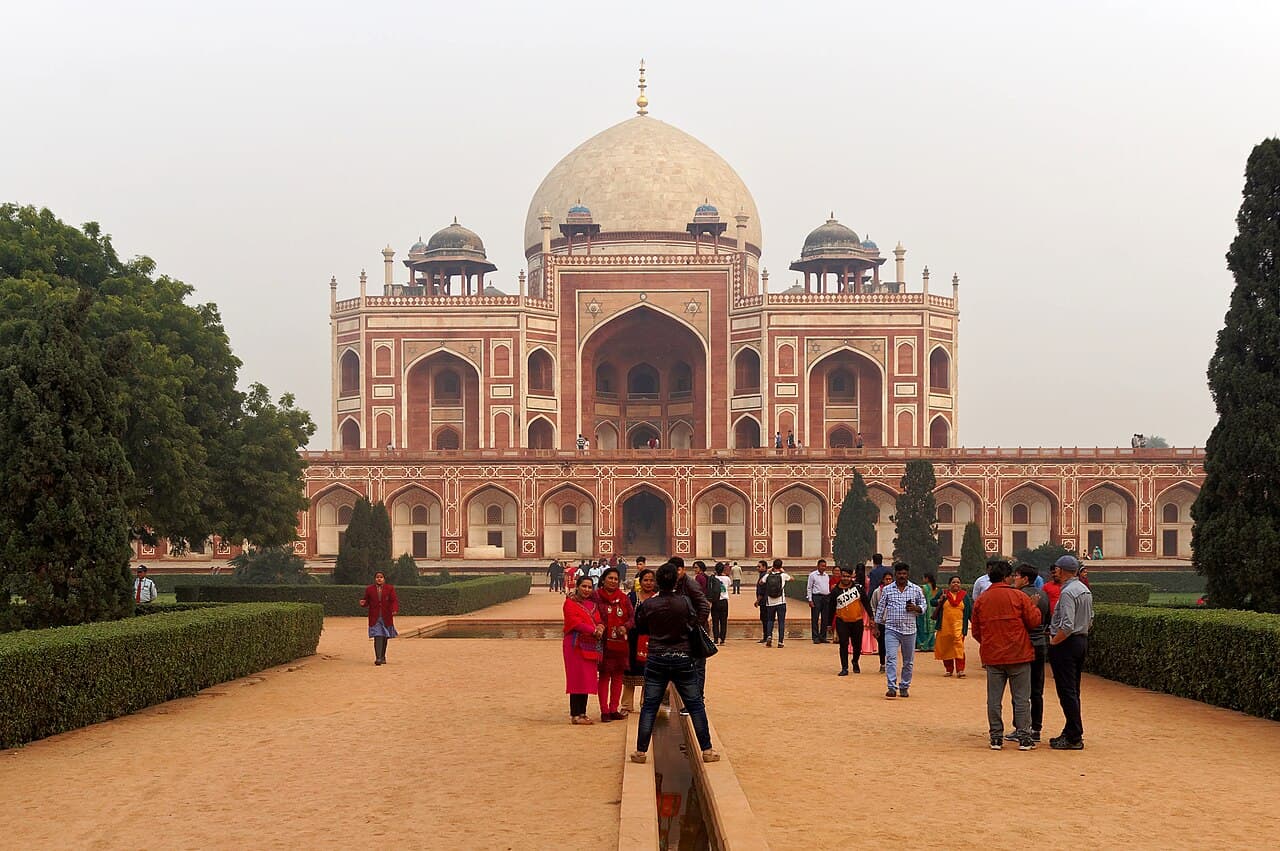
Long before Shahjahanabad, long before the British, Mehrauli was Delhi. A walk through this extraordinary archaeological zone reveals 1,300 years of the city's soul.
Delhi is often described as a city of seven layers — seven successive capitals built, destroyed, and superseded across two millennia. This is a simplification; the actual number of distinct urban settlements is closer to eleven. But if you want to understand where it all began, you walk to Mehrauli. Not the shopping complex. The village behind it — the one with the crooked lanes, the dargahs that smell of attar and marigolds, and the thousand-year-old stone that no tourist map adequately explains.
The walk begins, logically, at Qutb Minar — but do not linger at the main complex if you have been before. Instead, exit the Archaeological Survey compound and walk north into Mehrauli Archaeological Park, a 200-acre urban forest that contains over 100 historically significant structures from the 10th to the 19th centuries, most of them unlabeled, uncrowded, and quietly magnificent. The park is nominally managed by the Delhi government but functionally managed by the monsoon grass and the silence. Yahan time ruk jaata hai.
The first landmark in the park is Jamali Kamali Mosque and Tomb — built in the early 16th century for the Sufi poet Jamali, whose verses are inscribed in the painted interior. The mosque's interior tiles are in extraordinary condition: cobalt, turquoise, and terracotta geometric patterns that would not look out of place in Isfahan. The attendant will unlock the tomb chamber for a small tip. Stand inside, look at the painted ceiling, and recite something — the acoustics are inexplicable for a 500-year-old structure.
Walk further north and you reach Balban's Tomb — the first true arch in Indian Islamic architecture, built around 1287 AD. It is a ruin, intentionally so: the ASI has stabilized but not restored it. The exposed rubble core and the surviving pointed arch haunt in a way that a restored monument cannot. Ghiyas ud Din Balban was one of the most powerful sultans of the Delhi Sultanate, the man who transformed a confederation of Turkish slave-soldiers into a proper imperial bureaucracy. His tomb is a pile of dressed stone in a quiet grove. History is humbling.
The walk's emotional peak is Dargah Qutb Sahib — the tomb of Qutbuddin Bakhtiyar Kaki, the 13th-century Chishti Sufi saint after whom Qutb Minar was named (most tourists do not know this). The dargah is a living shrine: qawwali is performed on Thursday evenings, the courtyard is full of petitioners from across Delhi's social spectrum, and the atmosphere is one of the most genuinely moving in the city. Non-Muslims are welcome; cover your head and remove shoes. The shrine's kitchens feed thousands daily. Dilli ka dil yahan dhadakta hai.
End the walk at Zafar Mahal — the last Mughal palace, built by Emperor Akbar Shah II in the early 19th century and completed by Bahadur Shah Zafar, the last Mughal emperor, who died in exile in Rangoon in 1862. The palace is now partly inhabited by squatters and partly crumbling, with spectacular arched gateways standing amid residential chaos. There is a Mughal-era baoli (stepwell) in the courtyard that still holds water. This is where the Mughal dynasty ended — not with a cannon, but with slow entropy, in a village that was already ancient when the first Mughal set foot in India. Budget three hours minimum. Bring water, wear comfortable shoes, and hire a guide from Delhi Heritage Walks if you can — the stories are worth every rupee.
Story
Culture
Reading time
8 min
Legacy editorial
First published 15 December 2025
Verify changing facts and prices independently.
More scenes from the destination
General destination planning
Check current details before you go
These official links are general planning resources, not evidence for this article. Opening hours, fares, prices, access rules and businesses can change, so confirm details independently for your dates.