Kartavya Path is a designed civic axis, not simply the road leading to India Gate. Government records describe Central Vista through strong geometry, symmetry and a choreographed processional route linking institutions, civic gardens and the India Gate lawns. Its names and uses have changed as imperial New Delhi became the capital of an independent republic.
A useful visit reads those changes without collapsing distinct memorials or promising unrestricted access to government buildings. Rashtrapati Bhavan uses booked visitor circuits and publishes live closure notices. The National War Memorial east of India Gate has its own commemorative design. National events can transform routes, entry and security. This article provides an interpretive framework and leaves operational decisions to current official notices.
At a glance
Start here
- Read the whole avenue as an axis with designed views, nodes, lawns and water channels.
- Keep India Gate and the National War Memorial distinct in date, purpose and design.
- Treat Rashtrapati Bhavan's forecourt view and its bookable interior circuits as different experiences.
- Check Rashtraparv and presidential visitor notices because national events and official closures can change access.
01
See the axis before individual monuments
Official Central Vista records describe a planned sequence from the presidential end toward India Gate, shaped by geometry, symmetry and a choreographed processional route. The avenue also includes civic gardens, lawns, paths and canals. Looking only at the endpoint hides the urban design.
Begin with an editorial observation: stand where current access permits a long view and identify foreground, crossing, canopy, memorial and hill. Move to another legal public position and repeat. The shifting scale explains how processional planning works. Do not step into controlled roads or lawns to preserve a sightline; signs, barriers and security directions define the usable space.
Sources: Press Information Bureau, Government of India; Press Information Bureau, Government of India02
Read the renaming as part of the landscape
The Central Vista account traces King's Way to Rajpath and then Kartavya Path, Queen's Way to Janpath, the Viceroy's House to Rashtrapati Bhavan, and the All India War Memorial to India Gate. The buildings and axis persisted while their names and political meanings were recast after independence and again in the avenue's recent history.
Names are evidence, not the complete interpretation. Read plaques and official descriptions for their current language, then note which earlier names remain useful for understanding maps, archival images and design intentions. Avoid saying that a rename erased the colonial plan or left meaning unchanged; the official sources document continuity in geometry alongside changed institutions and public use.
Sources: Press Information Bureau, Government of India; Press Information Bureau, Government of India03
Keep India Gate and the National War Memorial distinct
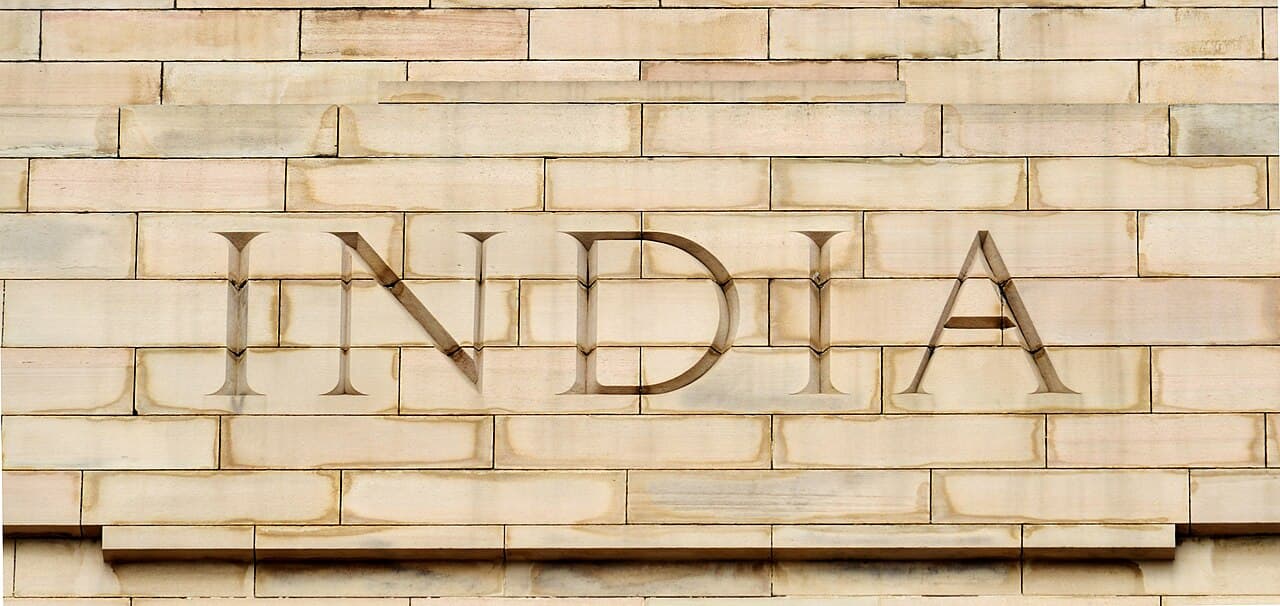
India Gate was built as the All India War Memorial for soldiers who died in the First World War and the Third Anglo-Afghan War. The National War Memorial was dedicated in 2019 to honour members of India's armed forces who died in service after independence. The latter occupies a separate landscape east of India Gate rather than being another name for the older arch.
Use different questions at each. At India Gate, consider inscription, imperial commemoration and later republican use. At the National War Memorial, follow its concentric design of Rakshak, Tyag, Veerta and Amar Chakras and the separate Param Yodha Sthal. The CPWD brief explains those elements; on-site signs and current Ministry of Defence directions govern the visit.
Sources: Central Public Works Department, Government of India04
Separate the exterior view from a Bhavan visit
Rashtrapati Bhavan is the working presidential estate, while its public visitor system offers defined circuits for the main building, museum, Amrit Udyan and Change of Guard. The official portal describes the main-building circuit through the forecourt and selected ceremonial, library and gallery spaces. Seeing the building from Kartavya Path is not the same as having access to that circuit.
If the interior matters, use the official booking system and comply with its identity and entry instructions. Do not improvise at a gate. On the research date, the live portal carried specific museum-phase and temporary closure notices, demonstrating why an old schedule is insufficient. A visitor without a booking can still study the permitted exterior view, but should not imply access beyond the public boundary.
Sources: President's Secretariat, Government of India; President's Secretariat, Government of India05
Notice the boundary between civic and controlled space
The Central Vista project presents Kartavya Path as both a ceremonial setting and a public civic landscape. Its redevelopment added pedestrian facilities, bridges, signs, vending areas and other amenities while retaining national-event functions. At the western end, the presidential estate has booked circuits, specified gates and days that can be closed by notice.
That mixture is part of the place. Public access may be broad in one section and tightly channelled in another. Treat barriers as current information, not an obstacle to defeat for a photograph. An editorially responsible route stays in signed public areas and regards security decisions as mutable operating conditions rather than evidence for a fixed claim about everyday access.
Sources: Press Information Bureau, Government of India; President's Secretariat, Government of India; President's Secretariat, Government of India06
Let the national-event calendar change the plan
Kartavya Path is a Republic Day parade setting and a ceremonial avenue. The Ministry of Defence's Rashtraparv portal is the official public channel for Republic Day and Independence Day event information, including schedules, seating plans, parking layouts, route maps and ticket availability. Preparations and ceremonies can affect a wider area than the formal event footprint.
Before visiting around a national event, open Rashtraparv and current Delhi traffic or security notices rather than assuming ordinary pedestrian or vehicle access. Do not infer that an event ticket grants access to every memorial or presidential circuit. If the objective is architectural reading rather than attending the ceremony, moving the visit to a normal-access day is an editorial option.
Sources: Ministry of Defence, Government of India; Press Information Bureau, Government of India; President's Secretariat, Government of India07
Use a walk as interpretation, not a time trial
An editorial sequence can begin at the India Gate and National War Memorial end, move along the permitted avenue, and finish with the long view toward Rashtrapati Bhavan. Reversing it changes the reveal: the descent from Raisina Hill places the memorial end within the avenue's full geometry. Neither direction is an official prescribed route.
Choose direction after checking heat, weather, crossings, event restrictions and the needs of the group through current channels. This article does not state a universal walking time or promise continuous step-free access. If someone has mobility requirements, verify the intended section and any booked circuit with the responsible operator rather than generalising from the redevelopment's broad pedestrian goals.
Sources: Press Information Bureau, Government of India; Press Information Bureau, Government of India; Central Public Works Department, Government of India; President's Secretariat, Government of India08
Read a district that continues to change
The Government of India's Central Vista site identifies Kartavya Path as a completed project within a broader administrative district that also contains active and planned works. This matters for interpretation and logistics: the visual context, pedestrian diversions and institutional uses around the avenue can change even when the central axis remains legible.
Use current signs and project information instead of treating a historical map or an old photograph as an access guide. End with three observations: one surviving geometry, one renamed institution and one contemporary intervention. That editorial framework keeps colonial planning, republican meaning and current redevelopment visible without pretending they are the same historical layer.
Sources: Press Information Bureau, Government of India; Press Information Bureau, Government of India; President's Secretariat, Government of IndiaUseful answers
Reader questions
Are India Gate and the National War Memorial the same memorial?
No. India Gate originated as the All India War Memorial for First World War and Third Anglo-Afghan War dead. The National War Memorial, dedicated in 2019 east of India Gate, commemorates post-independence armed-forces sacrifice through a separate concentric design.
Sources: Central Public Works Department, Government of IndiaCan I enter Rashtrapati Bhavan from Kartavya Path?
A public view from the avenue is different from entry to the presidential estate. Official visits use booked circuits, specified gates and identity requirements. Consult the live Rashtrapati Bhavan portal for the circuit, entry instruction and any closure notice.
Sources: President's Secretariat, Government of India; President's Secretariat, Government of IndiaDoes Kartavya Path close for national events?
Access and routes can change for ceremonies and preparations. The Ministry of Defence's Rashtraparv site publishes official event schedules, route maps, parking layouts and ticket information. Check it and current local notices rather than assuming normal access.
Sources: Ministry of Defence, Government of India; Press Information Bureau, Government of IndiaHow long does it take to walk Kartavya Path?
There is no reliable universal duration. Stops, crossings, weather, diversions, mobility and access conditions determine the real visit. Use a live map and current notices, then allow time for interpretation rather than treating the axis as a race.
Sources: Press Information Bureau, Government of India; Ministry of Defence, Government of IndiaRead the evidence
Sources and further reading
These sources support the relevant sections above. Plans and comparisons are editorial suggestions. Check operators for current arrangements.
- Central Vista Project: Smarter Administration, Seamless Governance, Stronger India ↗Press Information Bureau, Government of India · Accessed 14 September 2026
Kartavya Path completion, civic and national-event functions, current wider redevelopment and public-space features.
- Central Vista Project ↗Press Information Bureau, Government of India · Accessed 14 September 2026
Axis geometry and symmetry, renamed institutions, civic and ceremonial roles and refurbishment objectives.
- Rashtrapati Bhavan Tour Management ↗President's Secretariat, Government of India · Accessed 14 September 2026
Current visiting circuits, their scope and live closure notices.
- FAQ | Welcome to RASHTRAPATI BHAVAN - The Office and Residence of the President of India ↗President's Secretariat, Government of India · Accessed 14 September 2026
Booking method, circuit closure pattern, entry gates and identity requirements.
- Brief: National War Memorial ↗Central Public Works Department, Government of India · Accessed 14 September 2026
Memorial location, 2019 dedication, concentric Chakras and Param Yodha Sthal.
- Home | Rashtraparv ↗Ministry of Defence, Government of India · Accessed 14 September 2026
Official national-event schedules, route maps, parking, seating and ticket-information channel.