Delhi Metro Route Map 2026: Lines, Timings, Fare Calculator & Tips
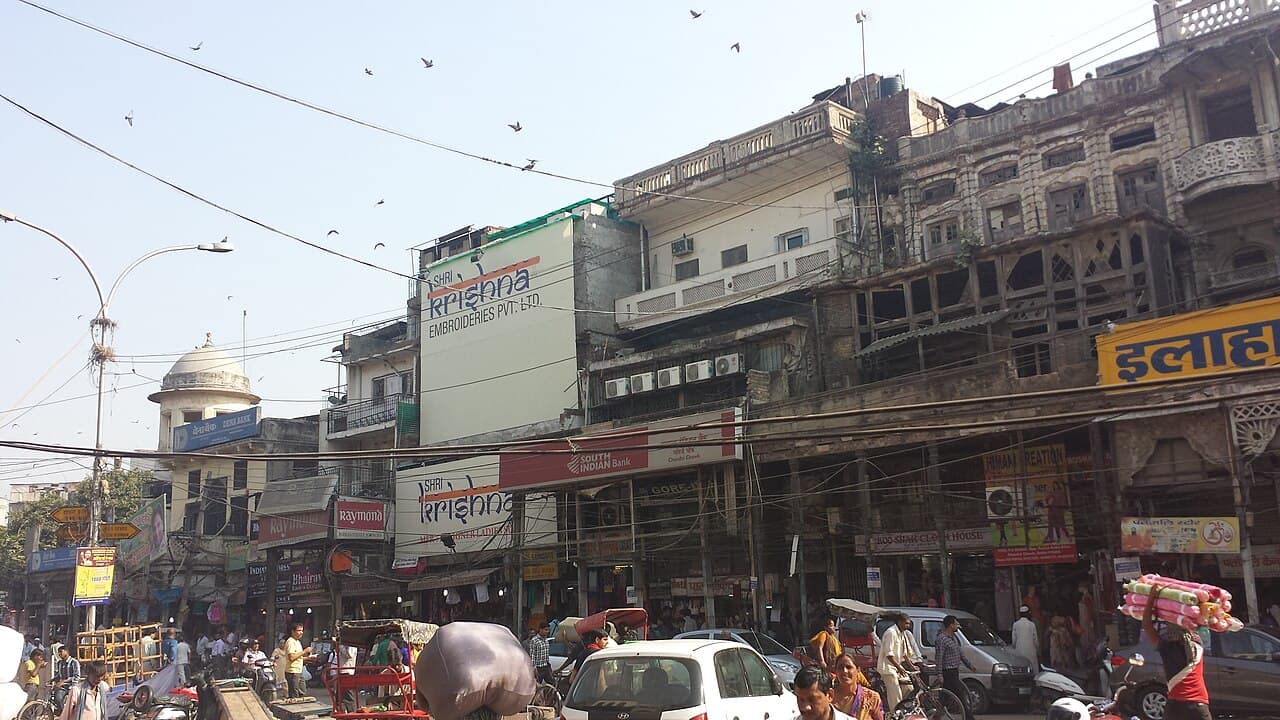
Complete guide to all 9 Delhi Metro lines — Red, Yellow, Blue, Violet, Magenta, Pink, Grey, Airport Express, and Aqua — with interchange stations, fare calculator, Smart Card tips, and new 2026 extensions.
The Delhi Metro Rail Corporation (DMRC) operates one of Asia's most extensive urban rail networks — nine color-coded lines, 395+ stations, 393 km of track, and approximately 6.5 million daily riders as of 2026. For a city that once accepted traffic as an immutable fact of life, the Metro has been the single most transformative infrastructure project since the national highway program. And yet, a surprising number of first-time visitors (and even longtime Delhi residents) remain intimidated by it. This guide eliminates that intimidation entirely.
The Nine Lines — At a Glance
Red Line (Line 1)
Route: Rithala to Shaheed Sthal (New Bus Adda) | Stations: 34 | Key stops: Rithala, Rohini, Pitam Pura, Netaji Subhash Place, Kashmere Gate, Dilshad Garden.
Covers north and northeast Delhi. The Kashmere Gate interchange connects it to the Yellow, Violet, and Airport Express lines — making it a critical node for Old Delhi access.
Yellow Line (Line 2)
Route: Samaypur Badli to HUDA City Centre (Gurugram) | Stations: 37 | Key stops: Chandni Chowk, New Delhi, Rajiv Chowk, AIIMS, Qutab Minar, Gurgaon.
The tourist spine of the network. If you are visiting Chandni Chowk, Connaught Place, South Delhi, or Gurugram, you will use this line. Rajiv Chowk (Connaught Place) is the busiest interchange station in the system and the closest thing Delhi has to a transit heart.
Blue Line (Line 3 and 4)
Route: Dwarka Sector 21 to Noida Electronic City / Vaishali (two branches) | Stations: 50 | Key stops: Dwarka, Rajouri Garden, Rajiv Chowk, Mandi House, Akshardham, Noida City Centre.
The longest line in the network, handling east-west movement across central Delhi into Noida. Essential for reaching Akshardham Temple, East Delhi, and the Noida tech corridor. The Rajiv Chowk interchange with Yellow Line is always crowded — keep your belongings secured.
Violet Line (Line 6)
Route: Kashmere Gate to Raja Nahar Singh (Ballabhgarh) | Stations: 35 | Key stops: Lal Quila, Jama Masjid, Delhi Gate, ITO, Central Secretariat, Lajpat Nagar, Faridabad.
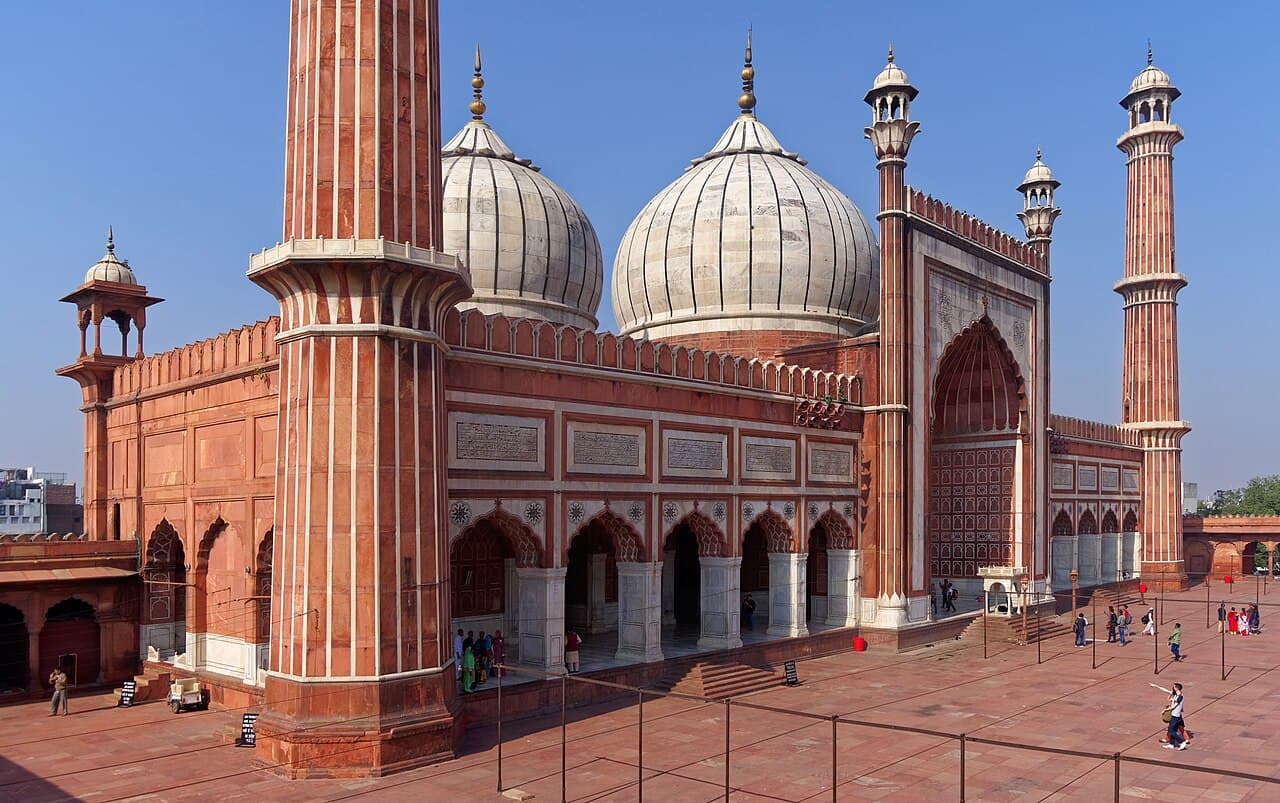
Critical for Old Delhi heritage tourists. Lal Quila station drops you steps from the Red Fort. Jama Masjid station puts you at the base of the mosque staircase. This line extends all the way to Ballabhgarh in Faridabad — useful if you have business in the NCR southside.
Magenta Line (Line 8)
Route: Janakpuri West to Botanical Garden (Noida) | Stations: 25 | Key stops: Janakpuri, Hauz Khas, Kalkaji Mandir, Botanical Garden.
The first fully driverless line in Indian Metro history (Phase III). Hauz Khas station is your entry point for the Hauz Khas Village rooftop cafe and nightlife scene. The line bypasses the congested central corridor and connects southwest Delhi directly to Noida — a significant time-saver for commuters.
Pink Line (Line 7)
Route: Majlis Park to Shiv Vihar | Stations: 38 | Key stops: Azadpur, Netaji Subhash Place, Durgabai Deshmukh South Campus, Lajpat Nagar, Hazrat Nizamuddin.
A cross-cutting line that connects the northwest to the southeast without passing through central Delhi — invaluable for avoiding Rajiv Chowk during peak hours. Hazrat Nizamuddin station connects rail passengers directly into the Metro grid.
Grey Line (Line 5)
Route: Dwarka to Dhansa Bus Stand | Stations: 3 | Coverage: Southwest Delhi.
The network's smallest line — a short stub serving the Dwarka Sector 21 and Dhansa industrial area. Useful primarily for residents of that zone; unlikely to feature in tourist itineraries.
Airport Express (Orange Line)
Route: New Delhi Railway Station to IGI Terminal 3 | Journey time: 21 minutes | Fare: Rs 60 (New Delhi to T3). Key stops: New Delhi, Shivaji Stadium, Dhaula Kuan, Delhi Aerocity, IGI T3.
The Airport Express avoids road traffic and can be a useful Terminal 3 connection, but journey time, first and last trains, frequency, Wi-Fi, and any in-town airline check-in facility can change. Confirm the current station, timetable, fare, and airline service on the official DMRC and airport channels before relying on it for a flight.
Aqua Line (Noida–Greater Noida Metro)
Route: Sector 51 (Noida) to Depot (Greater Noida) | Stations: 21 | Operated by: NMRC (not DMRC).
Technically a separate operator but integrated with DMRC interchange at Sector 51. Essential for reaching Greater Noida tech parks, Expo Mart, and the expanding residential zones south of Noida City Centre. Note: DMRC Smart Cards are accepted but you need to tap out and re-tap in at the interchange.
Key Interchange Stations
- Rajiv Chowk: Yellow + Blue lines. The central hub. Platform 1 = Blue Line westbound, Platform 2 = Blue Line eastbound, Platforms 3–4 = Yellow Line.
- Kashmere Gate: Red + Yellow + Violet lines. Major northern interchange.
- Central Secretariat: Yellow + Violet lines. Access to India Gate, Rashtrapati Bhavan zone.
- Hauz Khas: Yellow + Magenta lines. South Delhi lifestyle hub.
- Netaji Subhash Place: Red + Pink lines. Northwest Delhi interchange.
- Botanical Garden: Blue + Magenta lines. Noida's primary Metro junction.
- Janakpuri West: Blue + Magenta lines. Southwest Delhi interchange.
Timings — First and Last Trains (2026)
- First trains: 5:30 AM on most lines (Airport Express: 4:45 AM)
- Last trains: 11:00 PM from terminal stations (Airport Express: 11:30 PM from T3)
- Frequency: Peak hours (8–10 AM, 5–8 PM): every 2–3 minutes on main lines. Off-peak: every 5–7 minutes.
- Sundays: Reduced service; first trains at 6:00 AM on most lines.
Smart Card vs QR Ticket: Which Should You Use?
QR Code Tickets (via DMRC app or token machines): Best for one-time travelers or tourists. Buy on the app, scan at the gate. No deposit required. Slight surcharge vs token fare on some lines.
Metro Smart Card: Rs 100 deposit (refundable). Reload at any station. 10% discount on every journey. Fastest entry — no queue at token machines. Best for anyone making 4+ journeys. Available at all staffed ticket counters.
Tourist Day Pass: Rs 200 (1-day unlimited), Rs 500 (3-day unlimited). Available at Airport Express stations and major interchanges. Pays for itself after 4–5 journeys within Delhi proper. Note: Does NOT cover Airport Express; that line charges separately.
Fare Calculator — Reference Fares
- Rajiv Chowk to Chandni Chowk: Rs 30
- Rajiv Chowk to Hauz Khas: Rs 30
- New Delhi to IGI T3 (Airport Express): Rs 60
- Rajiv Chowk to Noida City Centre: Rs 50
- Kashmere Gate to Qutb Minar: Rs 50
- AIIMS to Lajpat Nagar: Rs 20
- Maximum fare (any single journey): Rs 60
Women's Coach and Security Rules
- Women's coach: Always the first coach at the front of the train (marked in pink). Women-only. Men boarding this coach are asked to leave by fellow passengers — social enforcement is reliable.
- Security screening: Mandatory bag X-ray and walk-through scanner at every station. Add 1–2 minutes. Large bags go through belt scanner; pat-downs for triggered alarms.
- Prohibited: Eating, drinking, smoking. Fine: Rs 200. The stations are clean for a reason.
- Priority seating: Yellow-marked seats reserved for senior citizens, pregnant women, and differently-abled passengers. Generally respected.
New 2026 Extensions to Know
- Phase IV corridors: Janakpuri West–RK Ashram Marg (Magenta extension), Aerocity–Tughlakabad (Silver Line) — partial sections opening in 2026. Check DMRC.in for current operational status.
- Noida International Airport Link: Planning stage — will eventually connect Noida Metro to the new Jewar airport.
The Delhi Metro is the city's greatest equalizer — Rs 30 takes a student and a CEO to the same destination at the same speed. Master it and you have mastered Delhi's geography. Download the DMRC app, load a Smart Card, and let the Yellow Line do the work. Metro le lo bhai — traffic mein mat phasna.
Story
Travel
Reading time
8 min
Legacy editorial
First published 14 February 2026
Verify changing facts and prices independently.
More scenes from the destination
General destination planning
Check current details before you go
These official links are general planning resources, not evidence for this article. Opening hours, fares, prices, access rules and businesses can change, so confirm details independently for your dates.