One Day in Delhi: The Perfect Itinerary for First-Time Visitors
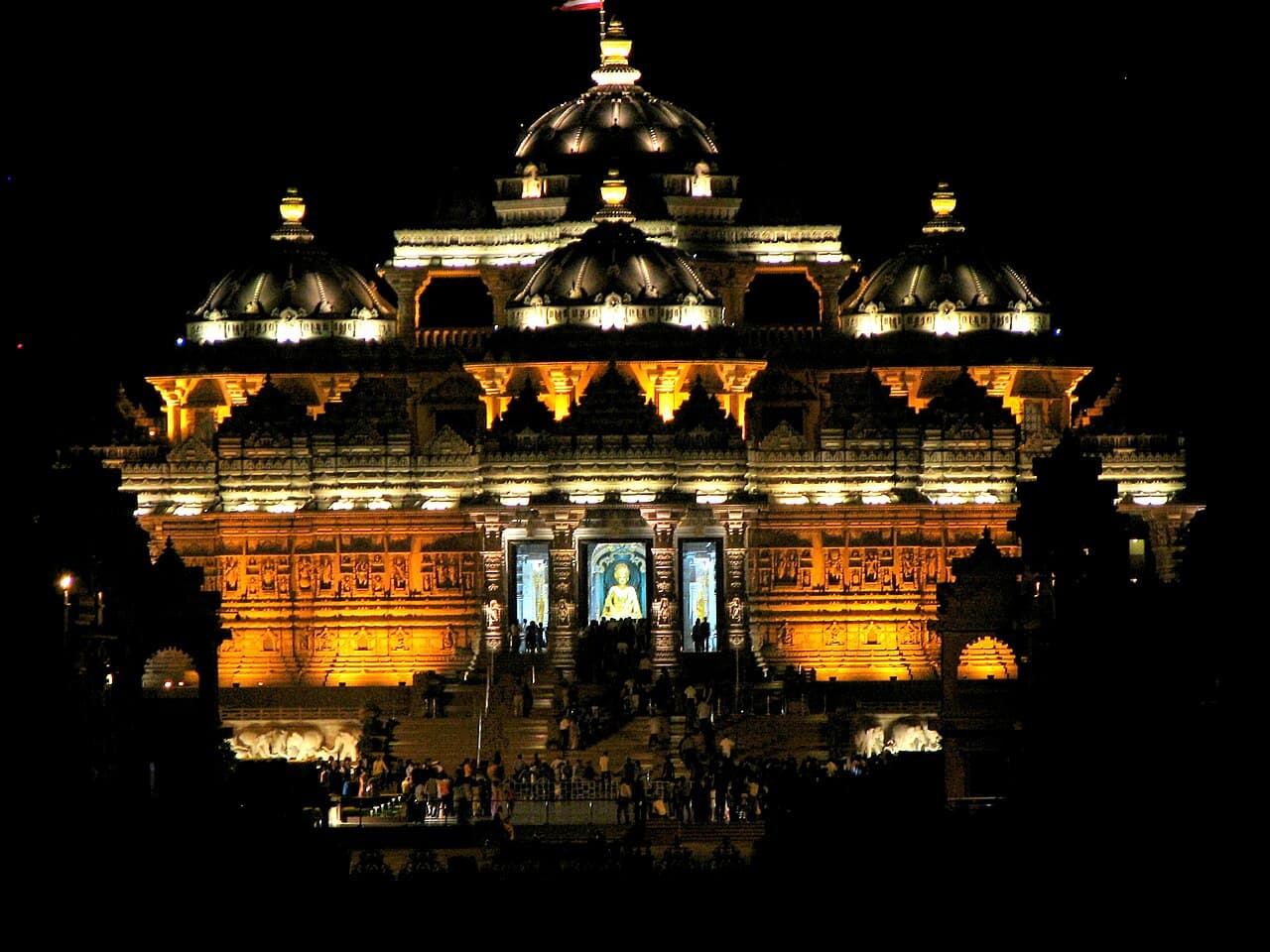
Qutub Minar at sunrise, Humayun's Tomb before the crowds, Karim's for lunch, Red Fort, Chandni Chowk walk, India Gate at sunset, Connaught Place for dinner — the complete 16-hour Delhi day with Metro routes and time allocation.
One day in Delhi is not enough. It has never been enough, and anyone who tells you otherwise is either lying or has never been properly lost in Chandni Chowk at dusk. But if one day is what you have — a layover, a side-trip, a work detour — then you need a plan that is ruthlessly optimized and completely honest about what you will and will not see. This itinerary covers the monuments, the food, the streets, and the atmosphere that, together, make a first impression of Delhi that sticks. Set your alarm for 6 AM. You will thank yourself by noon.
6:45 AM — Qutub Minar (Opens 7:00 AM)
Metro: Yellow Line to Qutab Minar station, then a 10-minute walk or Rs 50 auto.
Entry: Rs 40 (Indian nationals) / Rs 600 (foreign nationals). Time allocation: 1.5 hours.
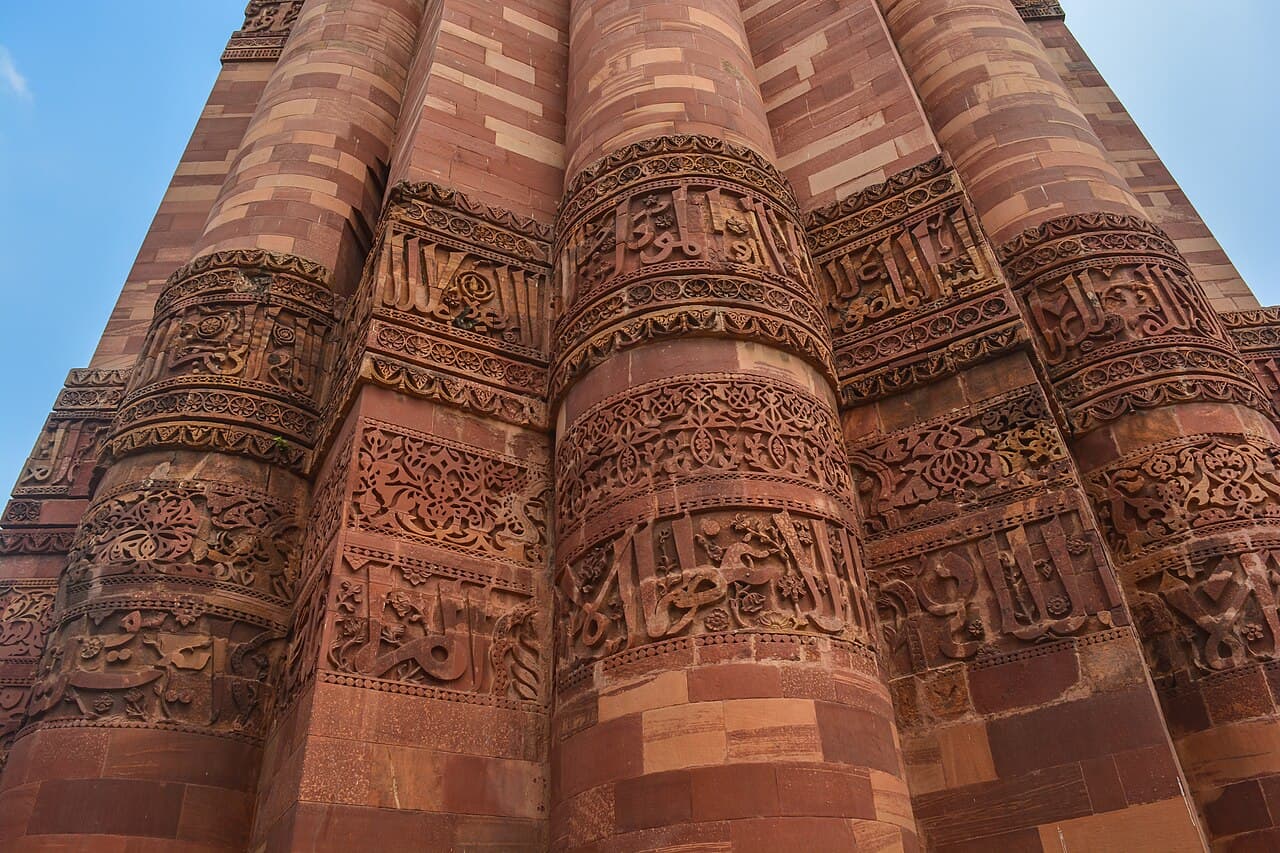
Arrive at opening time and you have the complex nearly to yourself. The 72-metre sandstone minaret — built beginning in 1193 AD, the tallest brick minaret in the world — reads completely differently in early morning light than in the flat glare of midday. The iron pillar in the courtyard (1,600 years old, no rust — a metallurgical mystery still not fully explained) is best photographed before tour groups arrive. Walk the full perimeter of the Quwwat-ul-Islam mosque ruins — the carved pillars were taken from 27 Hindu and Jain temples, and you can still read the original carvings in the stone. Har patthar ek kahani sunata hai.
Tip: Roadside vendors outside the gate have good chai and parathas from 7:30 AM — eat before the monument crowds up.
9:00 AM — Humayun's Tomb
Metro: Yellow Line north to Central Secretariat, change to Violet Line, alight at JLN Stadium, then Rs 80–100 auto to Humayun's Tomb.
Entry: Rs 40 (Indians) / Rs 600 (foreigners). Time allocation: 1 hour 15 minutes.
This 1572 Mughal garden tomb is the architectural prototype for the Taj Mahal and, in many critical respects, more beautiful for being less crowded. The chaharbagh (four-part garden) with its water channels leading to the central platform creates a symmetry Mughal architects intended as a representation of paradise. The dome is inlaid with marble and black slate in a geometric pattern that rewards extended study. The complex also contains several subsidiary tombs — notably Isa Khan's octagonal tomb — and the whole site takes about 75 minutes to walk properly.
10:45 AM — Lodi Garden Walk (Optional but Recommended)
Distance: 15-minute auto from Humayun's Tomb. Entry: Free.
A 30-minute walk through Lodi Garden before lunch resets the sensory palette. The 15th-century tombs amid landscaped gardens, the birds, the complete absence of commercial pressure — it is a profound contrast to what the rest of the day delivers. The garden's Bada Gumbad and Sheesh Gumbad tombs are quiet and beautiful. Worth every minute.
12:00 PM — Lunch at Karim's, Old Delhi
Metro: JLN Stadium (Violet Line) to Jama Masjid station. 5-minute walk from there.
Address: 16 Jama Masjid, near Gate 1. Budget: Rs 300–500 per person.
Established 1913 by a descendant of Mughal royal kitchen cooks, Karim's is not the cleanest restaurant you will eat in — it is, however, one of the most historically significant. Order the mutton burra (bone-in, charcoal-grilled, magnificent), the nalli nihari (bone marrow stew with sheermal bread), and the firni for dessert (rice pudding set in a clay dish, served cold). The restaurant operates on the original family recipes. 1913 se ekdum waisa hi swad.
1:30 PM — Red Fort (Lal Qila)
Metro: Jama Masjid station (Violet Line) to Lal Quila station. 5-minute walk.
Entry: Rs 35 (Indians) / Rs 500 (foreigners). Time allocation: 1.5 hours.
The Red Fort is best understood as a city within a city — the Mughal imperial capital from 1648 to 1857, built by Shah Jahan. The Lahori Gate entrance leads through the Chatta Chowk bazaar to the main court. The Diwan-i-Aam (Hall of Public Audience) and Diwan-i-Khas (Hall of Private Audience) are the architectural centerpieces. The Khas Mahal and the Rang Mahal are quieter and often overlooked by crowds who stop at the main halls — worth the extra 20 minutes to find them.
Tip: The evening light-and-sound show runs at 7:30 PM (Hindi) and 9 PM (English) — covers 5,000 years of Delhi history in 60 minutes. Worth catching if you can extend the day.
3:15 PM — Chandni Chowk Street Walk
Metro: Violet or Yellow Line to Chandni Chowk station. Time allocation: 45 minutes.
The main boulevard is manageable; the side lanes are where Chandni Chowk reveals itself. Turn into Kinari Bazaar for wedding accessories in gold and silver. Walk to Dariba Kalan for silver jewelry that has been sold on this lane since the Mughal era. Stop at Paranthe Wali Gali if your stomach can manage a late-afternoon snack. The lane structure is genuinely disorienting; getting slightly lost is not a failure of navigation, it is the appropriate response. Chandni Chowk mein kho jaana hi asli experience hai.
5:00 PM — India Gate at Sunset
Metro: Yellow Line to Rajiv Chowk (Connaught Place), then a 20-minute walk along Kartavya Path or a Rs 80 auto.
Entry: Free. Time allocation: 45 minutes.
The India Gate — a 42-metre war memorial inscribed with 90,000 names of Indian and British soldiers who died in World War I — is best at the hour before sunset when the angle of the light turns the sandstone golden and the lawns fill with families. The eternal flame at the base burns continuously. The Kartavya Path boulevard was redesigned in 2022 as part of the Central Vista redevelopment; the new museum plaza and the Rashtrapati Bhavan forecourt extend the walk considerably if you want to explore. The Canopy memorial (2022) at the top of the boulevard houses the statue of Subhas Chandra Bose.
7:00 PM — Dinner at Connaught Place
Metro: 20-minute walk west from India Gate, or auto to Rajiv Chowk station.
Budget: Rs 600–1,500 per person depending on venue.
Connaught Place's circular Georgian colonnade hosts everything from colonial-era institutions to new-wave Delhi dining. Three options for different moods:
- Veda (B-Block): Upscale North Indian, the butter chicken is legitimately excellent. Rs 1,200 pp.
- United Coffee House (E-Block): Art Deco interior, running since 1942, reliable Continental-Indian menu. Rs 900 pp.
- Rajdhani Thali (multiple blocks): Unlimited Rajasthani/Gujarati vegetarian thali — the most efficient meal deal in CP. Rs 450 pp.
After dinner, walk the inner circle of CP — the fountains, the lit colonnade, the street performers at Rajiv Chowk exit. This is Delhi's version of a public square, its most democratic public space. End the day here, sitting on the CP lawns with a kulfi from the nearby vendor, watching Delhi's evening play out around you. Ek din mein poori dilli nahi dekhi, lekin iska dil zaroor dekh liya.
The Day at a Glance
- 6:45 AM: Qutub Minar — Yellow Line, Qutab Minar station
- 9:00 AM: Humayun's Tomb — Central Secretariat then Violet Line to JLN Stadium
- 12:00 PM: Lunch at Karim's — Violet Line, Jama Masjid station
- 1:30 PM: Red Fort — Violet Line, Lal Quila station
- 3:15 PM: Chandni Chowk walk — Chandni Chowk station
- 5:00 PM: India Gate at sunset — Rajiv Chowk then walk east
- 7:00 PM: Dinner at Connaught Place
Total Metro spend: approximately Rs 150–200. Total food budget (mid-range): Rs 800–1,200. Monument entry: Rs 115 (Indians) / Rs 1,700 (foreigners). This is the best Rs 1,500 day in Asia.
Story
Travel
Reading time
8 min
Legacy editorial
First published 21 February 2026
Verify changing facts and prices independently.
More scenes from the destination
General destination planning
Check current details before you go
These official links are general planning resources, not evidence for this article. Opening hours, fares, prices, access rules and businesses can change, so confirm details independently for your dates.