Chandni Chowk on a Budget: Everything for Under 500 Rupees
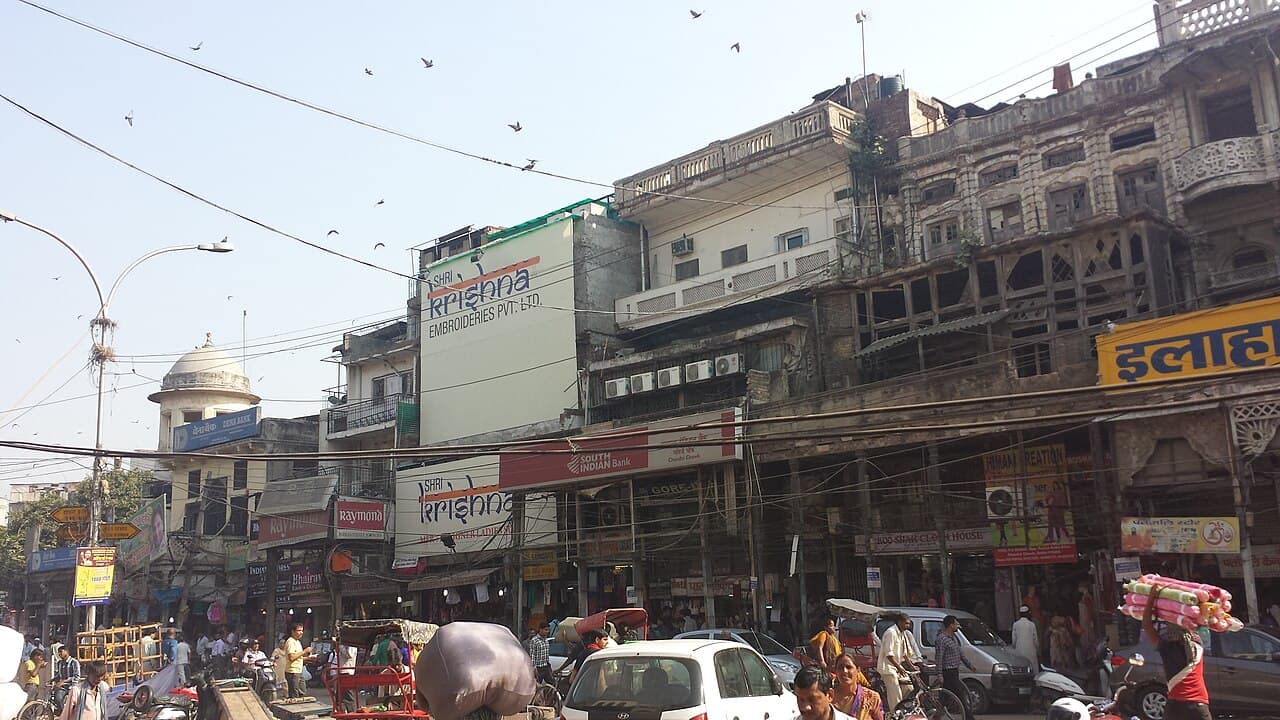
Paranthe Wali Gali, Nataraj dahi bhalla, Old Famous Jalebi Wala, and the best lassi in the capital — a complete eating itinerary through Old Delhi's greatest bazaar for under Rs 500.
The most persistent myth about Chandni Chowk is that you need to spend serious money to eat well there. You do not. The street that once lined the private bazaar of Emperor Shah Jahan's imperial capital still feeds millions on a daily basis, most of them Delhiites who have been eating here since before they could walk. The food is extraordinary, the prices are unchanged by the ambitions of the restaurant industry, and everything worth eating costs somewhere between Rs 20 and Rs 120. If you budget Rs 500 for a full afternoon walk, you will return to your hotel stupefied and satisfied. Paanch sau mein Chandni Chowk — yeh bhi koi deal hai.
Start at Paranthe Wali Gali: Rs 60–100
The lane runs north off the main Chandni Chowk road, roughly opposite the Red Fort end of the strip. Three families dominate it — Pandit Gaya Prasad Shiv Charan, Kanhaiyalal Durga Prasad, and Nand Lal Durga Prasad — and they have been frying parathas in pure desi ghee since the 1870s. The menu at each reads like a taxonomy of what you can stuff inside a dough disc: rabri, aloo, gobhi, paneer, dry fruits, banana, mint. Order the rabri paratha (Rs 80 at most counters) — the sweetened condensed milk filling oozes out at the first bite and ruins you for every other paratha in existence. The ghee pooling on the plate is not optional; it is the point. Eat standing up, accept the steel plate from the counter boy, and do not check calorie counts. Yahan ka ghee woh ghee nahi hai jo ghar mein milta hai.
Nataraj Dahi Bhalla Wale: Rs 60
Walk back to the main Chandni Chowk road and look for the queue. There is always a queue. Nataraj Dahi Bhalla Wale — operating since 1940 from its spot near the Lal Mandir — produces what serious Delhi food people will tell you, in hushed tones, is the finest dahi bhalla in the capital. The bhallas are soaked overnight until they surrender all density and become cloud-like discs of fermented lentil. The dahi is thick, cold, slightly sweetened, and applied with a ladle. On top: tamarind chutney, green coriander chutney, a blizzard of roasted cumin powder, and a pinch of kala namak that ties everything together. One plate is Rs 60. Two plates is understandable. Three plates is no one's business but your own.
Old Famous Jalebi Wala: Rs 40
Walk toward the Dariba Kalan silver market junction and find Old Famous Jalebi Wala, in continuous operation since 1884. The signboard is modest; the kadhai of boiling oil is not. Jalebis are pulled from the oil in the same spiral pattern that has been used for 140 years — crimson, crackly, syrup-saturated, still radiating heat. The price is approximately Rs 40 per 100 grams. Order 100 grams, eat it on the spot, and commit to not sharing. Some people order the imarti variant — a wider, floral-shaped cousin of the jalebi, slightly crispier — which appears on weekends. If it is available, get both. The total outlay at this stop: Rs 50–70.
Lala Duli Chand Naresh Kumar Lassi: Rs 80
Somewhere in the lane network between Kinari Bazaar and Dariba, and also on the main road near Gali Paranthewali's entrance, you will find lassi shops that have been churning out brass-pot servings of cultured cream since the Partition era brought their families here from what is now Pakistan. The standard order: one thick lassi, full cream, topped with malai. The portion arrives in a steel glass larger than seems reasonable. It is cold, slightly sour, gloriously fatty, and absolutely necessary after the fried parathas and jalebis. Price: Rs 70–80. Some shops will add a slick of cream on top for Rs 10 more. Say yes.
Shiv Mishthan Bhandar: Rs 50
Before you leave, stop at Shiv Mishthan Bhandar near the Fatehpuri Masjid end of Chandni Chowk for sohan halwa — the dense, ghee-soaked sweet made from semolina and studded with pistachios and almonds, pressed into flat circular slabs and wrapped in silver leaf (chandi ka warq). It is not subtle. It is not supposed to be. Rs 50 gets you a piece large enough to understand why Mughals considered this a court dessert. Take an extra piece home; it keeps for days and tastes better the morning after.
The Budget Math
- Paranthe Wali Gali — 1 paratha with rabri + chai: Rs 95
- Nataraj Dahi Bhalla — 1 plate: Rs 60
- Old Famous Jalebi Wala — 100g jalebis: Rs 45
- Lassi — 1 full-cream with malai: Rs 80
- Sohan halwa — 1 piece: Rs 50
- Total: Rs 330 — leaving Rs 170 for chai, nimbu paani, or a spontaneous chole bhature from Sita Ram Diwan Chand near Paharganj side (Rs 120, worth the detour).
The point is not the money. The point is that Chandni Chowk's food economy exists independent of inflation, food trends, or Zomato ratings. These places are not Instagram-famous; they are famous because they are the best, and they have been the best for longer than most countries have been countries. Yahan khaana khao toh samjho — dilli ne tumhe apna maana.
Story
Food
Reading time
7 min
Legacy editorial
First published 10 January 2026
Verify changing facts and prices independently.
More scenes from the destination
General destination planning
Check current details before you go
These official links are general planning resources, not evidence for this article. Opening hours, fares, prices, access rules and businesses can change, so confirm details independently for your dates.